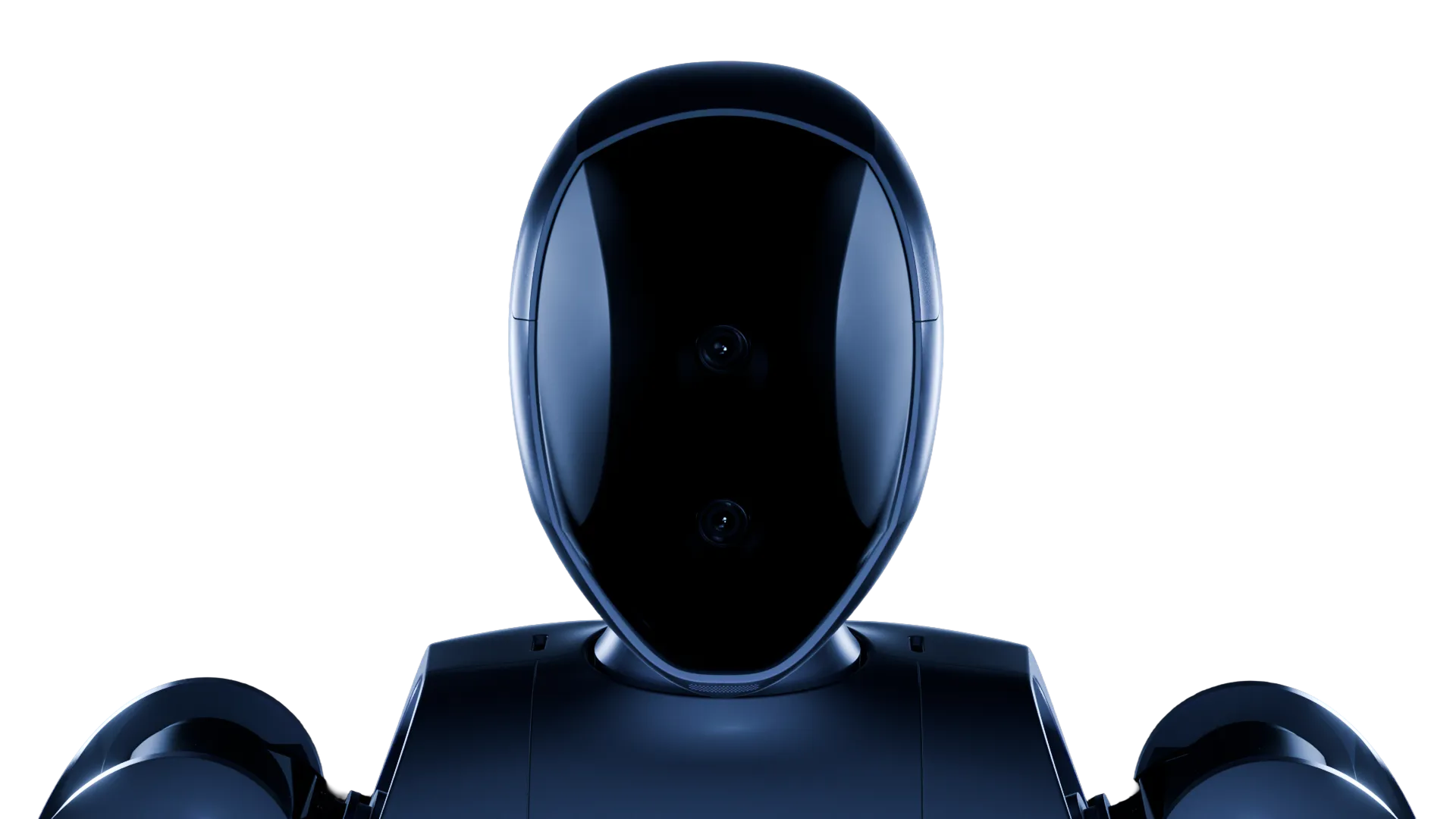
Human skills, multiplied.
We build robots that help companies preserve and multiply valuable human skills, so they can tackle labor shortages without losing hard-won expertise.
The work is here. The workers are not.
Manufacturers have more orders to fulfil than hands to fulfil them. Essential, repetitive jobs are going unfilled as experienced workers retire and fewer people replace them.
The result is longer lead times, constrained output, and hard-won knowledge leaving the business.
unfilled jobs by 2030
of work with nobody to do it
shortage of manufacturing workers
.png)
Source: Korn Ferry, 'Future of Work: The Global Talent Crunch' (2018).
Total global labor deficit as a percentage of workforce
More than a robot. A new source of capacity.
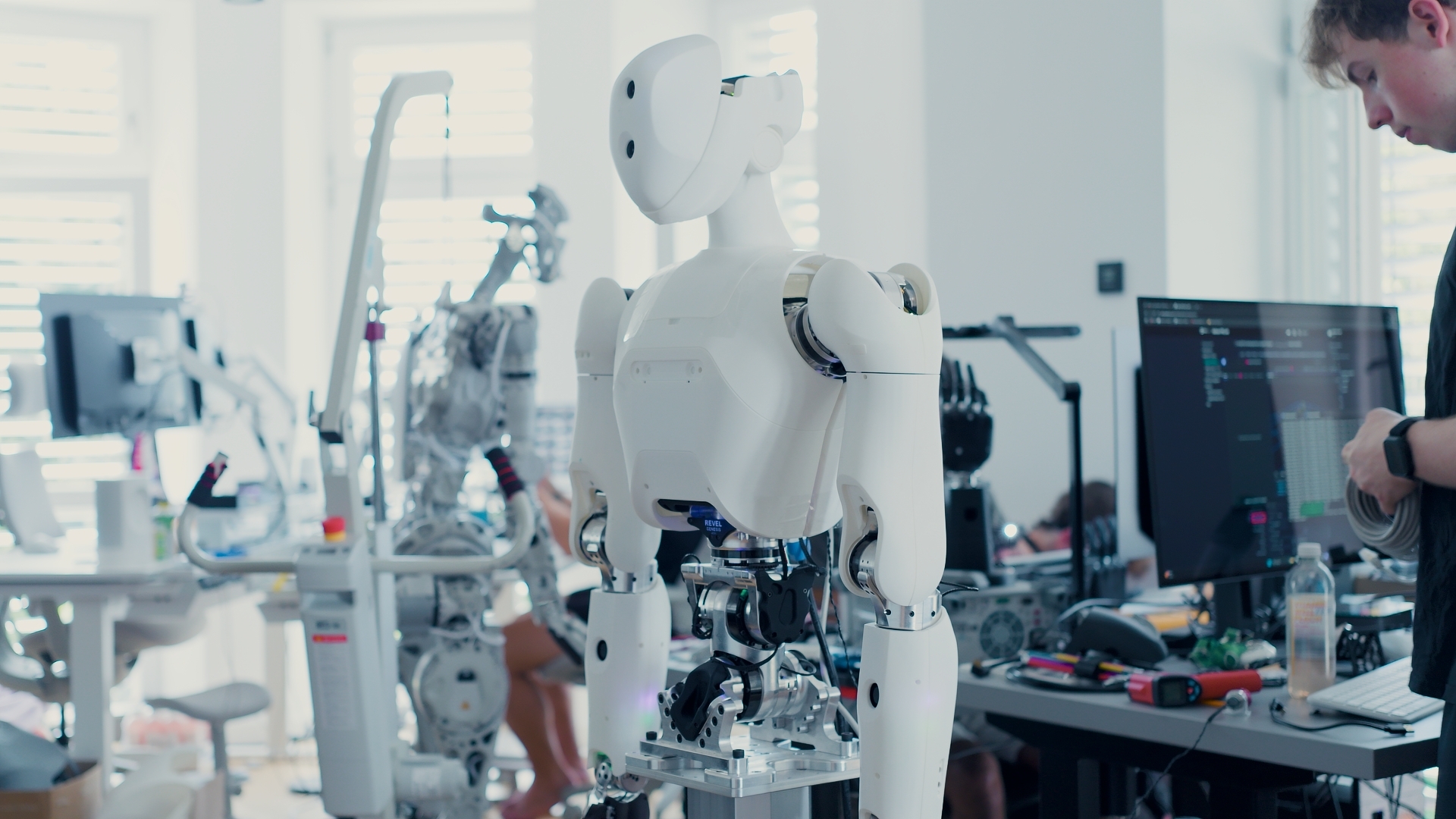
REVEL captures the skill of experienced workers, turns it into robot intelligence, and deploys that capability where work is hardest to staff. Neural Gambit captures the skill. RAI learns it. Genesis robots put it to work at your site.
_compressed.webp)

Built from the factory floor up.
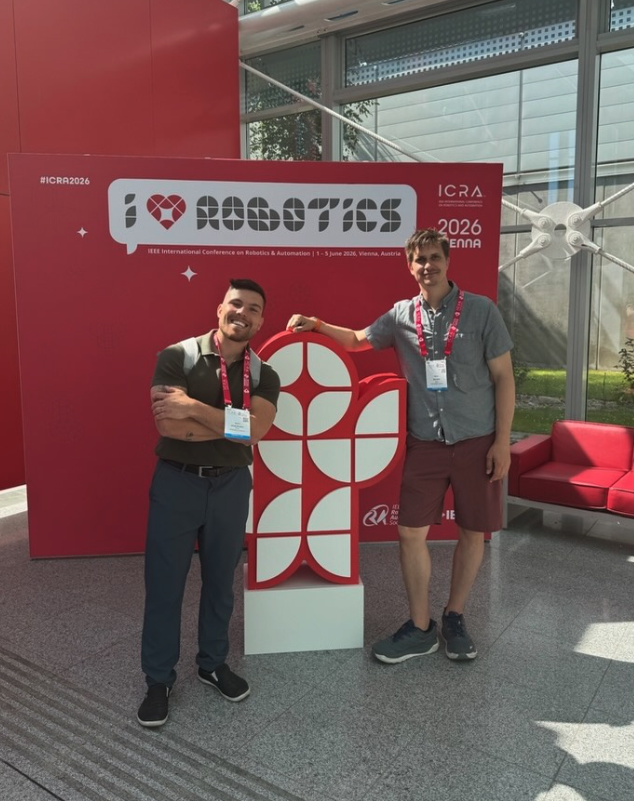
REVEL did not begin with a robot looking for a problem. We began with a question for manufacturers: “What work can you no longer hire for?”
Their answers shaped everything we are building – from how we capture human skill to how we deploy robots in the real world.
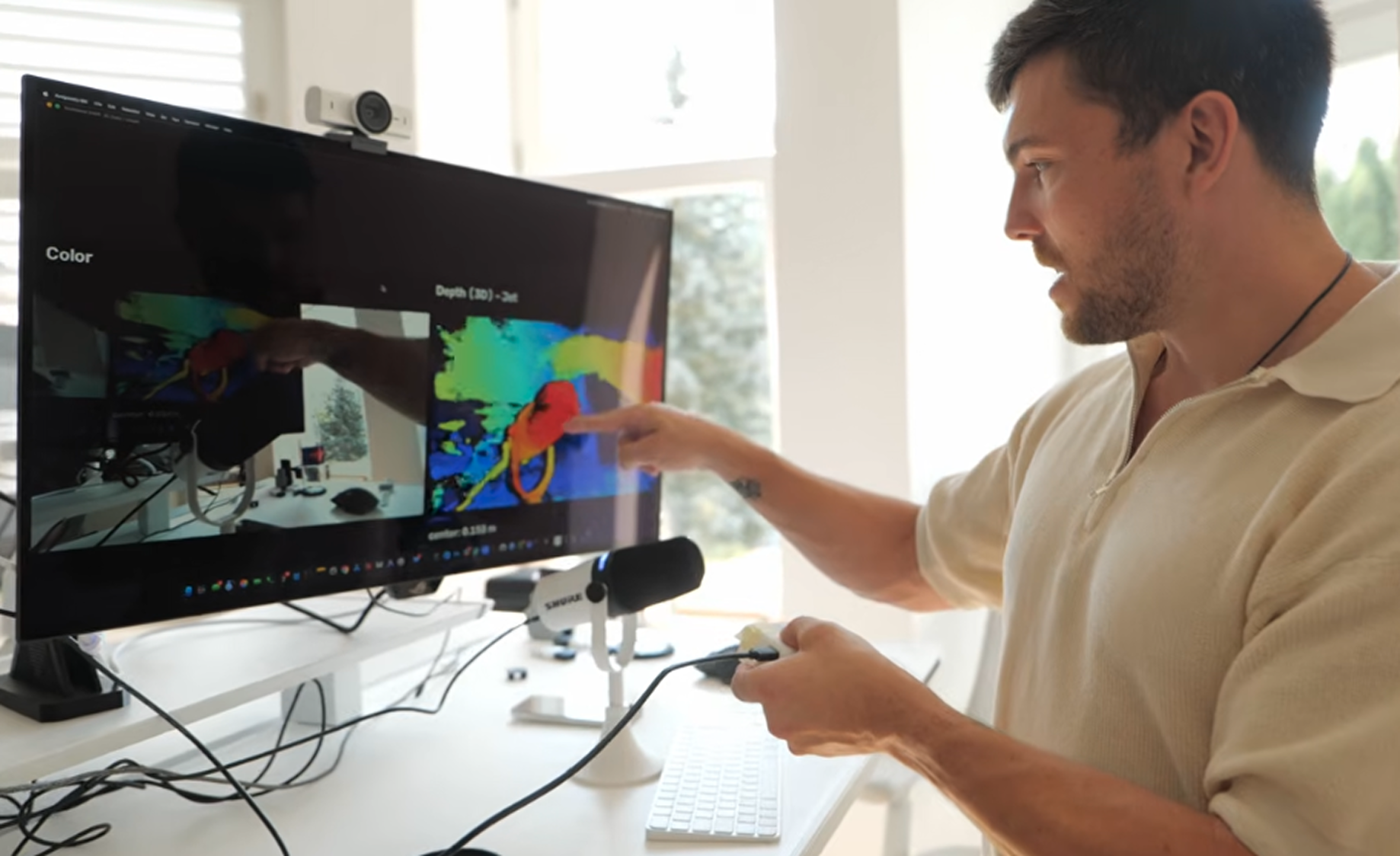
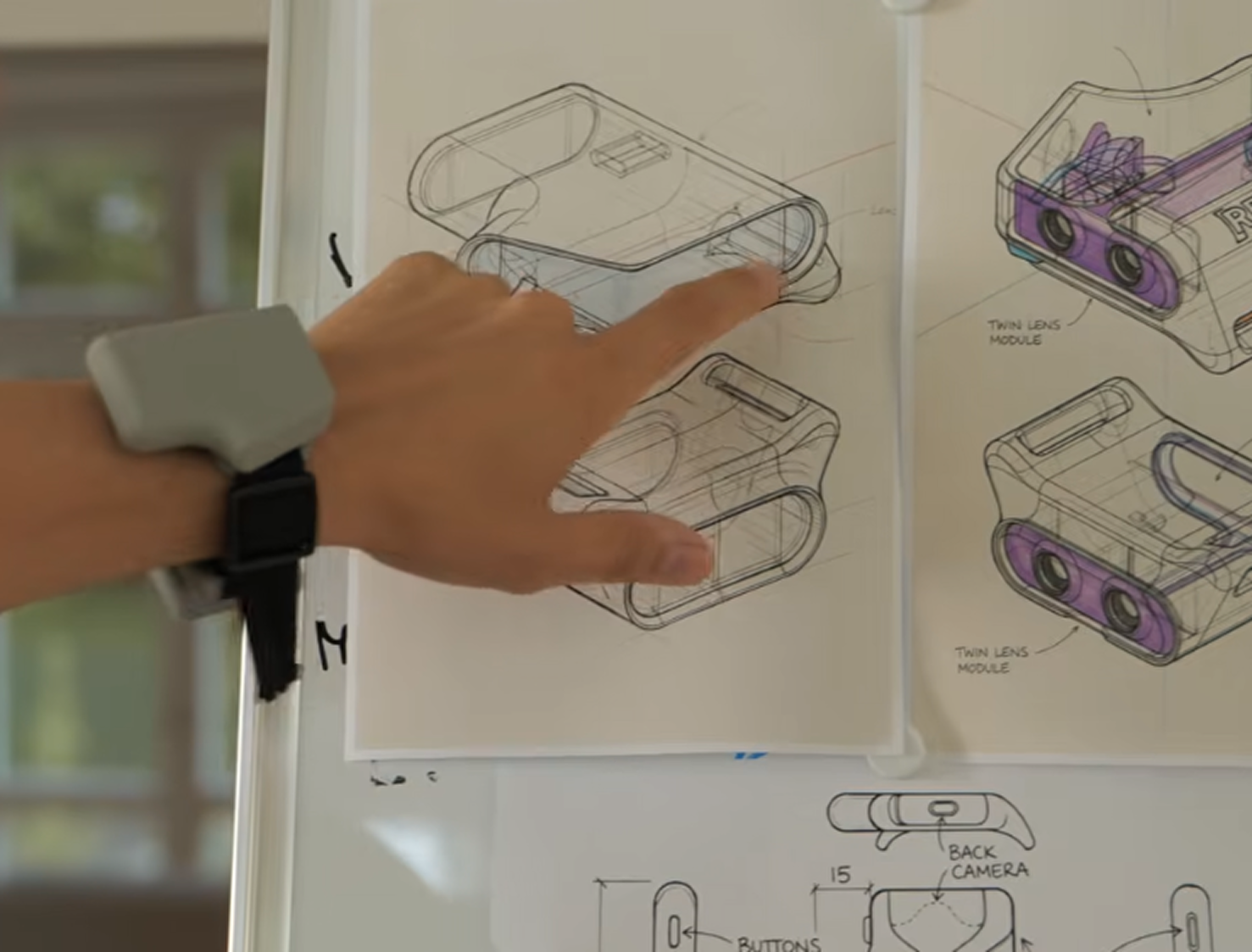

That is how REVEL captures from the puppeteer, not the puppet.
The system behind human-to-robot learning
Three technologies working together to capture expert knowledge, turn it into robot intelligence, and put it to work.
Captures the skill behind the task
A forearm sleeve that captures the force, movement, and intent behind expert work – turning one person’s know-how into thousands of robot-training episodes.
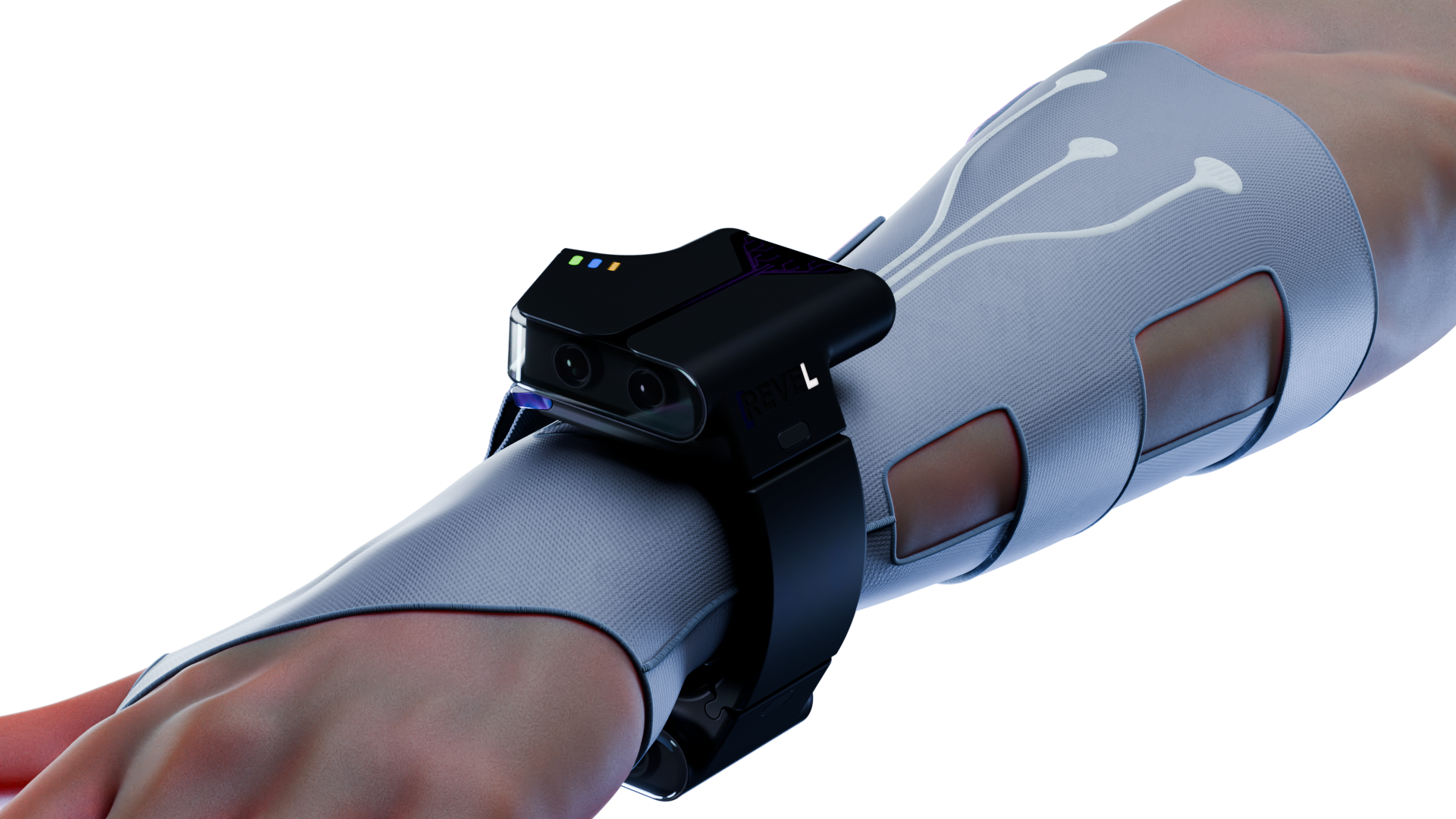
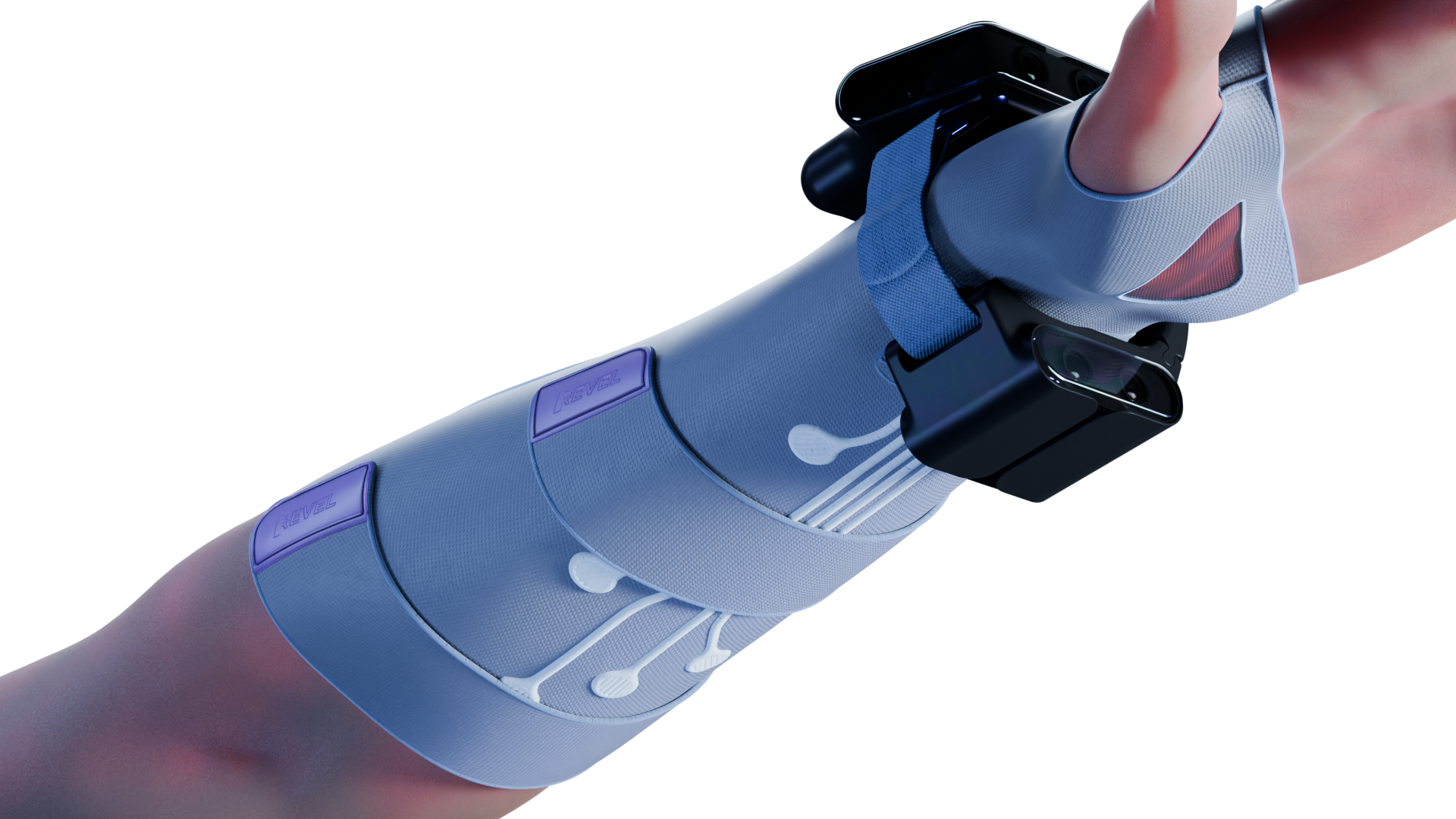
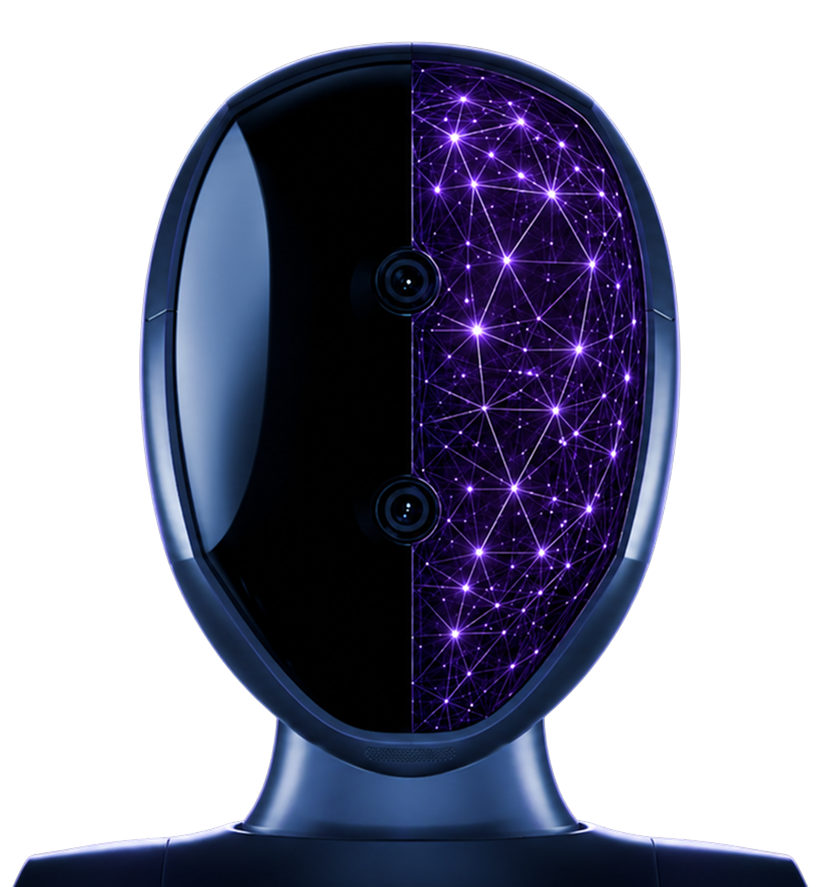
Turns human skill into robot intelligence.
Our real-time AI learns from Neural Gambit data and turns it into the perception, decisions, and movements a robot needs to complete the task.

Puts learned skill to work
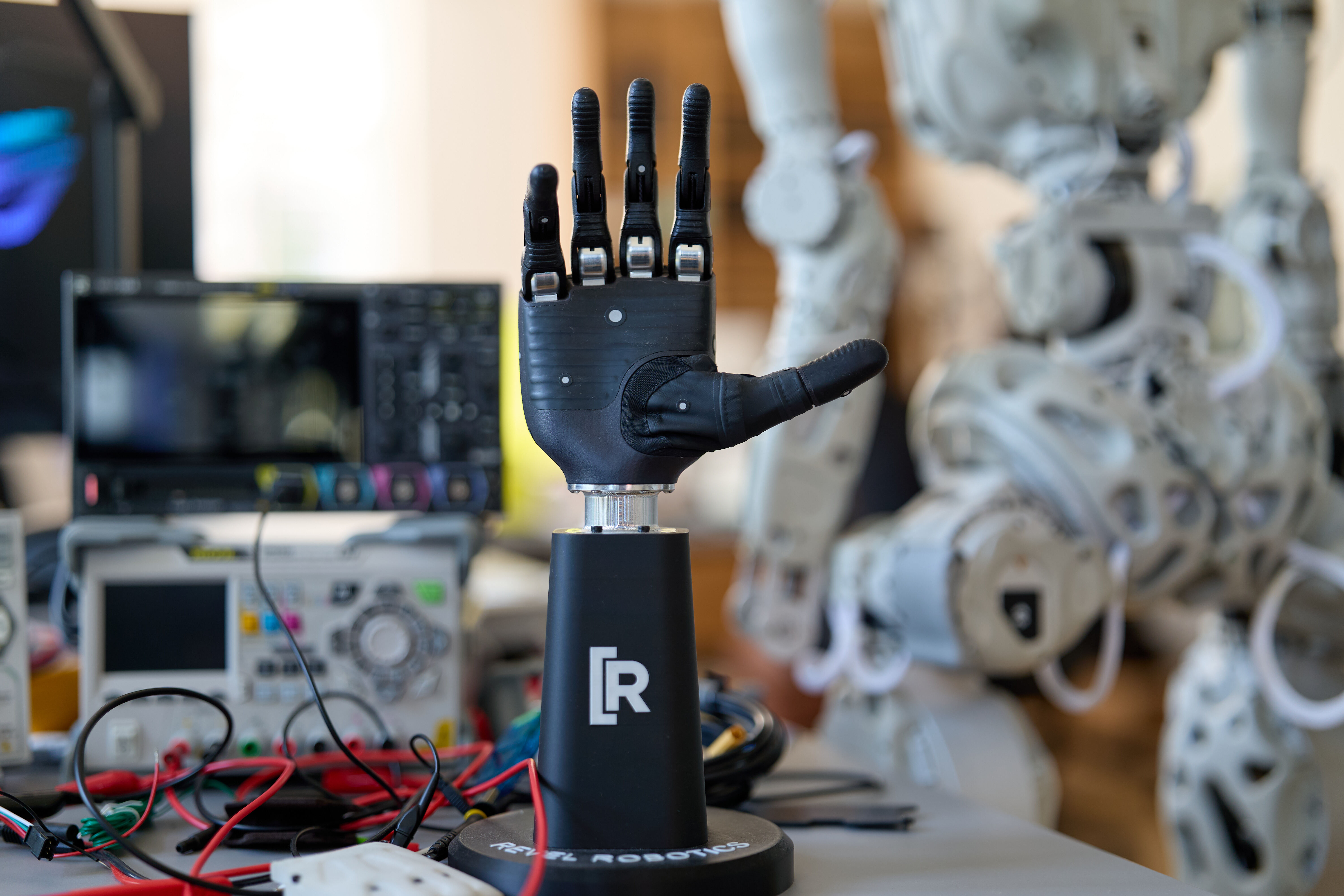
A special purpose humanoid built to perform skilled physical tasks learned from people.
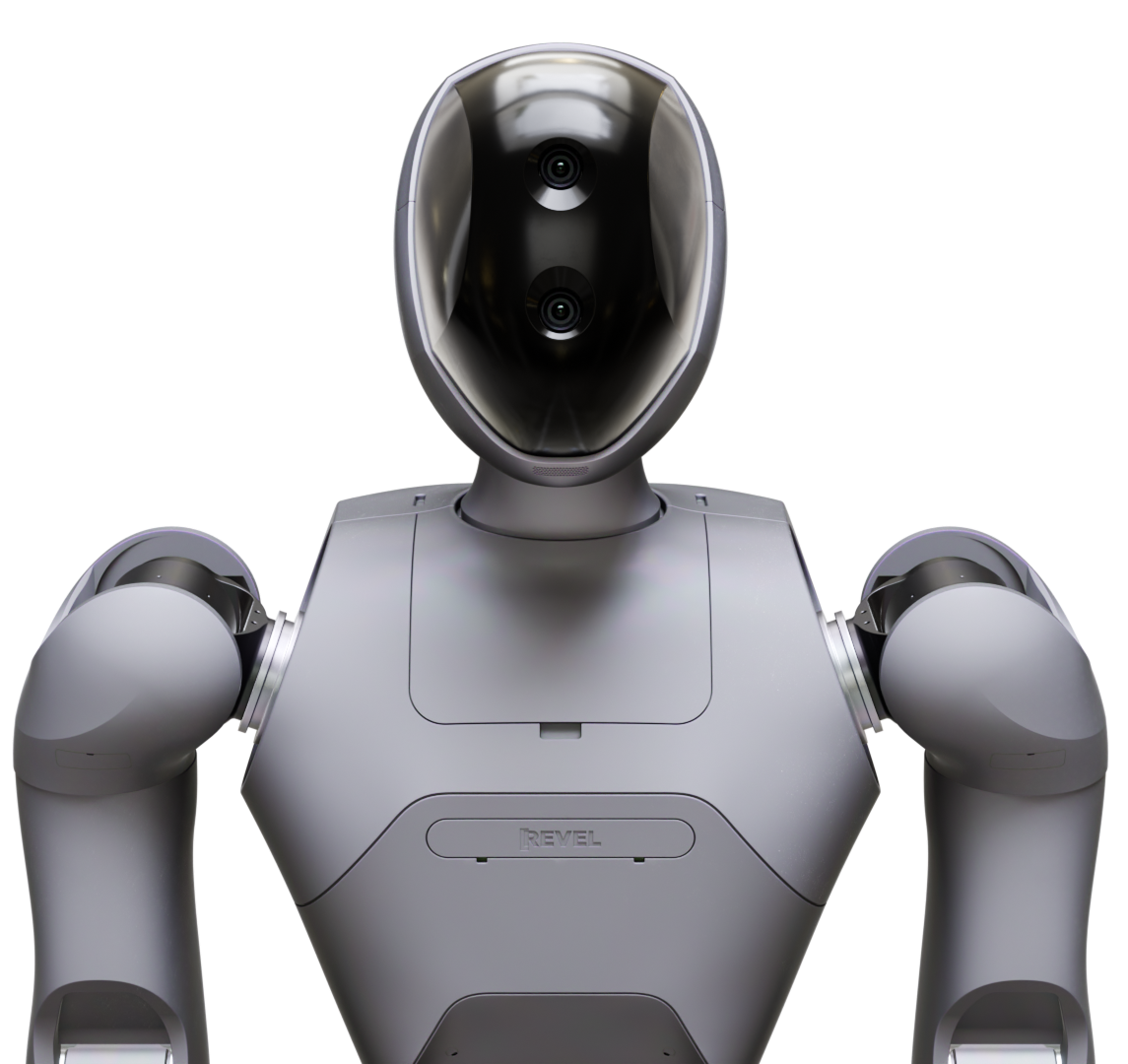
A shared robot core lets us tailor the tool to the task without rebuilding the system for every industry.
Designed for high-volume manufacturing, with 90–95% of the robot produced through additive manufacturing across polymer and metal printing.
In the future, REVEL micro-factories could produce a needed replacement part near the customer when and where it is required.
For companies with demand growing faster than their workforce
REVEL is for teams with critical, hands-on work that is hard to hire for, hard to automate, and too valuable to lose.
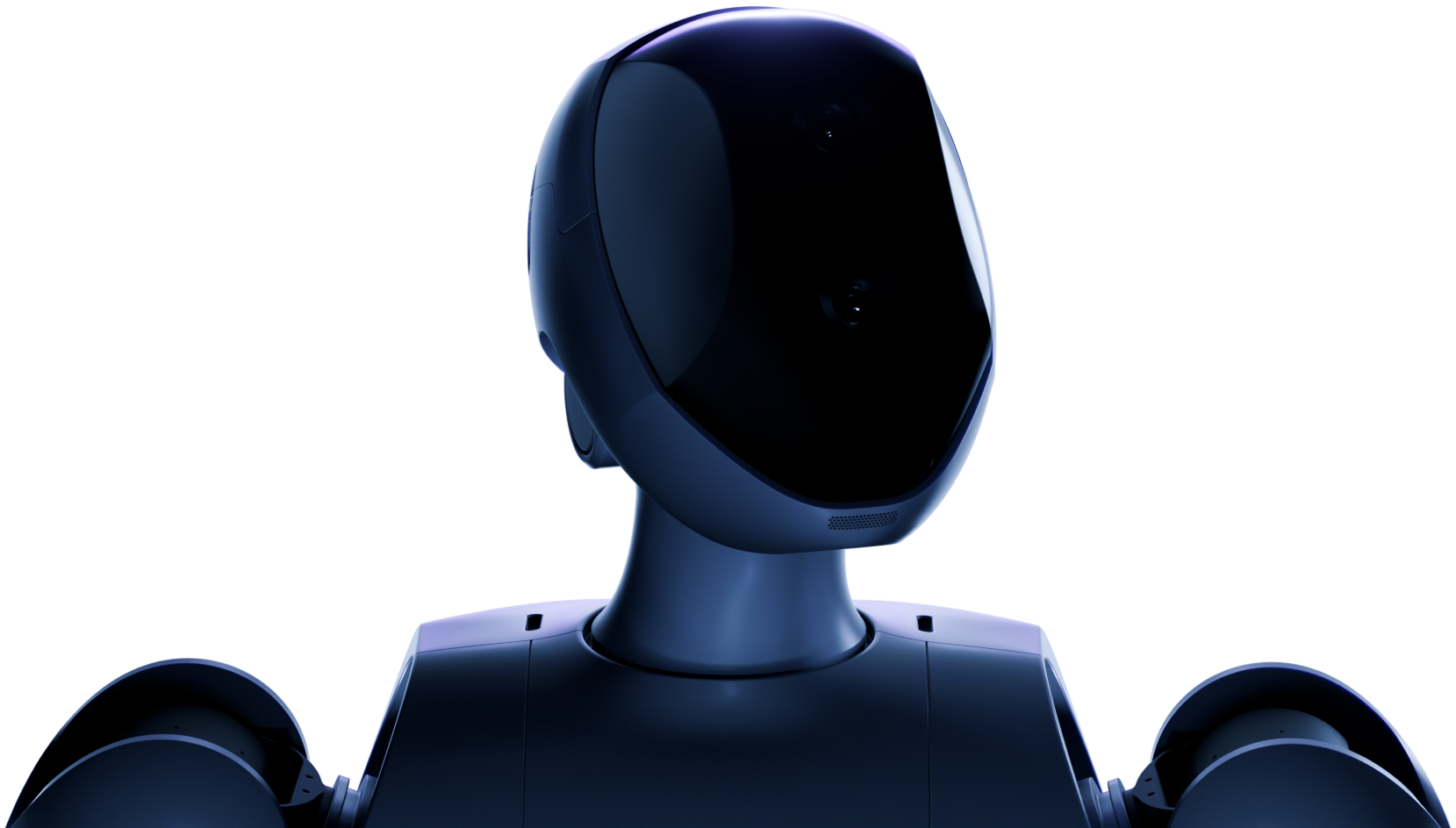

We’re building REVEL’s founding team in the Czech Republic, EU. We're hiring across engineering, marketing and administration.
Frequently asked questions
Yes, humanoid robots can operate safely alongside people when safety is built into the robot, the task and the workplace from the beginning.
Safe human-robot collaboration can include controlled speed and force, collision detection, emergency stops, clear operating limits and continuous monitoring of the robot’s surroundings. The deployment must also be tested against the specific risks, movements and conditions of the workplace.
At REVEL, safety is part of how a robotic skill is trained, tested and deployed. A robot must know more than how to complete the task. It must also understand the limits within which that task can be performed safely and reliably around people.
Robot training time depends on the complexity of the task, the amount of variation involved and the level of reliability required.
A clear, repeatable process with consistent materials can be learned more quickly than a task involving delicate movements, changing objects or many possible exceptions. Complex work may require more human demonstrations, additional robot training and extensive real-world testing.
At REVEL, the process begins by studying the actual job and defining what successful performance looks like. We then capture the worker’s skill, train the AI and validate the result in realistic conditions. The aim is not to produce the quickest possible robot demonstration. It is to develop a useful skill that performs consistently where the work actually happens.
Humanoid robots are designed to operate in a world built around people. They can move between workstations, use human tools, reach existing equipment and work within spaces that were never designed for a dedicated robotic system.
This makes humanoid robots a flexible automation solution for companies with changing tasks, multiple product types or complex physical workflows. Instead of creating a completely separate machine for every process, a shared robotic platform can be trained for different types of work.
REVEL combines this flexible physical design with human-to-robot learning. Our robots are being developed to learn practical skills from experienced workers and apply those skills wherever additional production capacity is needed.
Physical AI is artificial intelligence that can understand and act in the physical world. It combines AI models with robotic hardware, cameras, force sensors and other inputs that help a machine understand what is happening around it.
REVEL uses physical AI to turn skilled human work into robotic capability. We capture how experienced people perform real tasks, convert that information into robot training data and use it to teach robots how to do the work. Instead of following only a fixed sequence of instructions, the robot can learn how a task works and respond to the changes it encounters.
The goal is to create robots that can perform useful physical work where companies need more capacity.
Traditional automation relies on predefined instructions and works within carefully controlled processes. Physical AI gives robots more flexibility. An AI-powered robot can use sensor data to understand its environment, respond to variation and adjust how it completes a task.
This matters because many physical jobs do not happen in perfectly predictable conditions. Objects move, materials differ and experienced workers make small adjustments without consciously thinking about them.
Physical AI makes it possible to automate more of this variable, hands-on work. REVEL focuses on teaching robots the practical skills behind real jobs, including tasks that require dexterity, timing and the ability to adapt.
Robots learn skills from humans by collecting detailed data while experienced workers perform real physical tasks. REVEL’s Neural Gambit forearm sleeve captures hand and arm movements, grip force, muscle activity, and the worker’s intent, turning practical know-how into thousands of robot-training episodes. This gives the robot rich, real-world data from which to learn the skill behind the task, not just copy a sequence of movements.
The robot is tested across different situations and refined until it can perform the task reliably in the real working environment. This approach allows valuable human skills to become repeatable and scalable robotic capabilities.
Humanoid robots can help companies address skilled labor shortages by adding capacity where suitable workers are difficult to find or retain. They can support hard-to-fill roles, cover additional shifts and take on physically demanding or repetitive parts of the job.
REVEL goes one step further by allowing experienced workers to teach robots what they know. This means one person’s skills could eventually support more production than that person could complete alone.
For manufacturers facing persistent workforce shortages, robotics can help protect output, reduce pressure on existing teams and make growth possible without depending entirely on an increasingly limited labor pool. The aim is not to remove expertise from the workplace. It is to multiply its impact.
Yes, our robots can! With Neural Gambit forearm sleeve, REVEL captures valuable human expertise while experienced workers perform their jobs and converts it into reusable robot intelligence. RAI (REVEL Artificial Intelligence) learns from this data and develops the perception, decision-making, and movement a robot needs to complete the task. This helps manufacturers retain and multiply critical operational knowledge, even when skilled workers retire or hard-to-fill roles remain vacant.
We don’t replace expertise. We multiply it.
Investors, operators, craftspeople, and the merely curious. The door is open.